Weight loss injections are everywhere in the news, but they are prescription-only medicines and they are not for everyone. The good news is that most people can manage their weight well without medication. This guide brings together everything you need to know about non-medical weight management in the UK.
What is non-medical weight management?
Non-medical weight management means reaching and keeping a healthy weight through everyday changes rather than prescription medicines or surgery. It is built on five pillars:
- Balanced eating
- Regular movement
- Good sleep and stress management
- Habits and routine
- Optional support, such as food supplements, alongside the above
The NHS recommends aiming for gradual, steady change of around 0.5kg to 1kg a week.
Pillar 1: balanced eating
The NHS Eatwell Guide is a great starting point:
- Fill around a third of your plate with fruit and vegetables.
- Base meals on wholegrain starchy foods such as oats, wholemeal bread and brown rice.
- Include protein at every meal: beans, eggs, fish, lean meat or tofu.
- Aim for 30g of fibre a day (see our fibre guide) (most of us only get around 20g).
- Cut back on sugary drinks, which are an easy source of extra calories.
Read more: Why nutrition matters most and food swaps that keep you fuller for longer.
Pillar 2: regular movement
UK guidelines recommend at least 150 minutes of moderate activity a week, plus strength activities on two days. Walking counts, and so does housework, gardening and playing with the kids.
Read more: easy ways to reach 150 minutes a week.
Pillar 3: sleep and stress
Short sleep and high stress can make it harder to manage appetite and cravings. Aim for 7–9 hours a night and build in small moments to switch off. Magnesium contributes to the reduction of tiredness and fatigue and to normal psychological function.
Pillar 4: habits and routine
Consistency beats perfection. Plan meals, keep regular mealtimes, and track how you feel as well as what the scales say. Read Consistency Is Key.
Pillar 5: where food supplements fit
Food supplements are not a replacement for the pillars above, and in the UK they cannot claim to treat or cure anything. What they can do is fit into a consistent daily routine alongside a balanced diet. Read Do Food Supplements Work? and our guide to choosing food supplements.
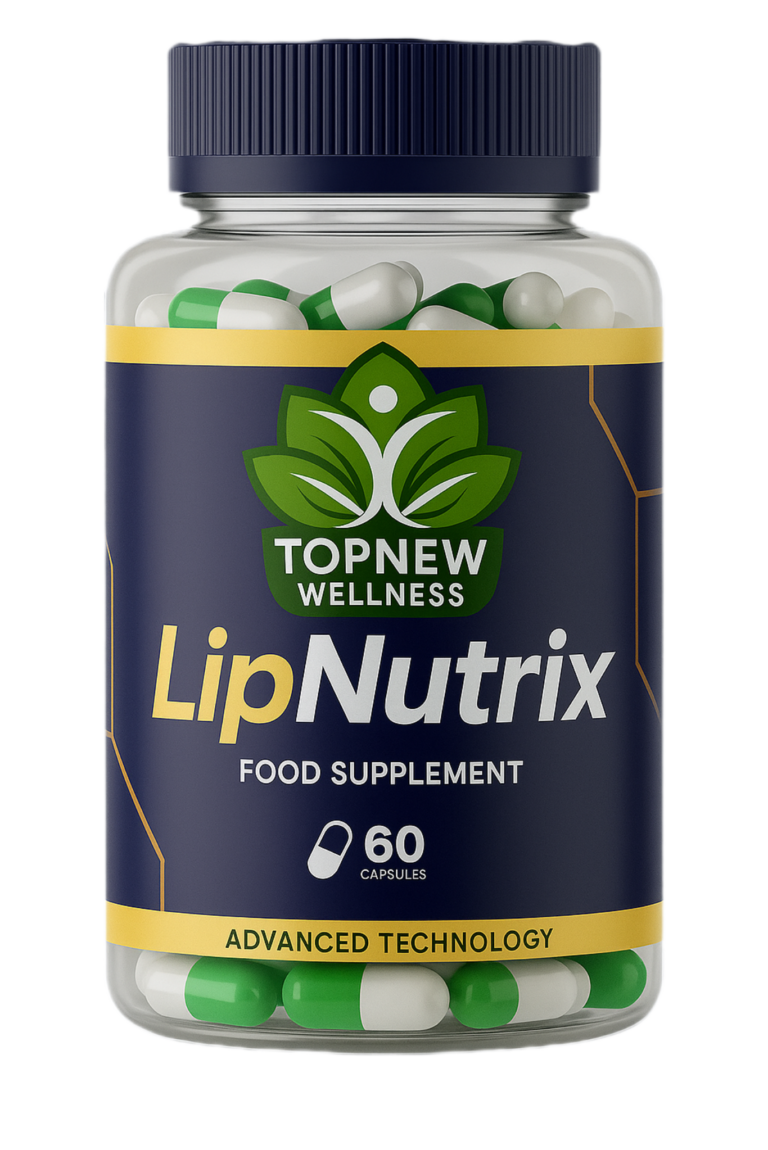
LipNutrix is our stimulant-free daily supplement made with psyllium husk, spirulina, chlorella, turmeric and chitosan. Take 1 capsule in the morning and 1 at around 4pm, not together, alongside a balanced diet and regular activity. Learn more in What Is LipNutrix?
Medical vs non-medical: which is right for you?
Weight loss medicines are prescribed by a doctor or pharmacist for people who meet specific health criteria. If you have a high BMI with health conditions, speak to your GP about the options. For many people, though, non-medical weight management is the right place to start. See How to Manage Your Weight Without Injections.
Special life stages
- Weight after having children
- Menopause weight gain
- Healthy weight after 40
- Weight management for busy mums
Your first week
- Add one portion of veg to lunch and dinner.
- Walk 20 minutes a day.
- Swap one sugary drink a day for water.
- Go to bed 20 minutes earlier.
- Pick a consistent time for your supplements.
Food supplements should not be used as a substitute for a varied, balanced diet and a healthy lifestyle. If you have a medical condition, take medication or are pregnant or breastfeeding, speak to your GP or pharmacist before use.