
Supplement buyer’s guide
How to choose food supplements: what you need to know
With so many supplements available, choosing the right one can feel confusing. This guide explains what to look for, how to read a label, which claims to be wary of and how to use supplements safely, based on UK guidance.
12 simple stepsLabel checklistBased on UK guidance
Step by step
12 steps to choosing the right supplement
Food supplements are intended to supplement a normal diet. They are not medicines and should not be used to diagnose, treat, cure or prevent any disease or medical condition.
01
Start with your diet and lifestyle
Most people can get the nutrients they need from a varied, balanced diet. Think about what you eat, any foods you avoid, whether you’re vegetarian or vegan, and how active you are. A supplement should have a clear place in your routine, not replace healthy food.
02
Know what type of supplement you’re buying
Supplements come as capsules, tablets, gummies, powders and liquids. They may contain vitamins and minerals (such as magnesium or vitamin D), botanicals (such as turmeric, fenugreek or spirulina), or other ingredients like fibre, protein or collagen.
03
Read the label carefully
In Great Britain a food supplement label must include the words “food supplement”, the ingredients, the recommended daily dose, a warning not to exceed it, storage information and a statement that supplements shouldn’t replace a varied diet. Check allergens and the business name and address too.
04
Look at the ingredients, not the marketing
The ingredient list tells you what’s really inside. Check how much of each ingredient is in one serving, how many servings are in the pack, and whether there’s anything you need to avoid.
05
Be careful with health claims
Foods and supplements can only use authorised health claims, and they must never claim to treat, prevent or cure a disease. Be wary of words like “burns fat”, “detox” or “replaces medication”.
06
Don’t assume “natural” means risk-free
Plant extracts, vitamins and minerals can all affect the body, depending on the amount and your circumstances. Read the warnings and never take more than the recommended dose.
07
Compare the daily serving, not the bottle size
More isn’t better. A bottle of 60 capsules taken once a day lasts longer than 120 capsules taken four times a day. Compare the amount per daily serving and how many days a pack lasts.
08
Think about your personal circumstances
Speak to your GP or pharmacist first if you’re pregnant or breastfeeding, take medication, have a medical condition or allergies, or are unsure whether a supplement is right for you. Some supplements can interact with medicines.
09
Buy from a reputable retailer
The Food Standards Agency advises buying from reputable businesses and taking extra care on online marketplaces. Look for clear business details, full product information, customer service and clear delivery and returns information.
10
Don’t rely on reviews alone
Reviews are useful for delivery, packaging and customer service, but one person’s experience doesn’t mean you’ll get the same result. Base your decision on the label and the ingredients.
11
Decide what you actually need
Make a simple list of what you’re looking for, such as a daily habit alongside healthy eating and regular activity, a mineral like magnesium, or extra fibre. Avoid taking several products with the same vitamin or mineral without checking the total amount.
12
Choose quality and transparency
A good product page shows the ingredients, amount per serving, how to take it, warnings, storage and allergen information, and who makes or sells it. If that information is hard to find, think twice.
Red flags
Claims to be wary of
In the UK, a food supplement can’t claim or imply that it treats, prevents or cures a disease. If you see any of these words, be cautious.
“Cures”“Treats”“Prevents”“Detoxes”“Burns fat”“Melts belly fat”“Balances hormones”“Replaces medication”“Guaranteed results”
Before you buy
A simple supplement checklist
Run through these questions before adding any supplement to your routine.
- I know why I want this supplement
- I’ve read the full ingredient list
- I understand the recommended daily serving
- I’ve checked the warnings and allergens
- I’m not already taking the same nutrients in another product
- The retailer is reputable and easy to contact
- The claims are clear and realistic
- I’m using it alongside a healthy diet, not instead of one
- I’ve spoken to my GP or pharmacist if I need to
Our range
TopNew supplements, clearly labelled
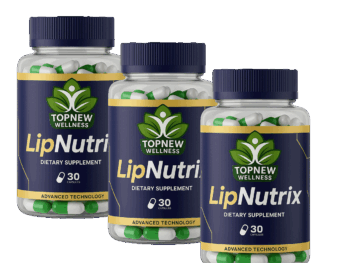
Every TopNew product page lists the full ingredients, the amount per serving, how to take it and who it isn’t suitable for. Our main supplement, LipNutrix, contains chlorella, spirulina, turmeric, chitosan and psyllium, with every amount printed on the label.
Are food supplements regulated in the UK?
Yes. Food supplements are regulated as foods, with rules on ingredients, labelling and the health claims that can be made. They are not medicines and must not claim to treat, prevent or cure any disease.
Do weight management supplements really work?
No supplement can make you lose weight. Weight management comes from eating fewer calories than you use, moving more and sleeping well. A supplement like LipNutrix can be a daily habit within that routine, but be wary of any product that promises fast or guaranteed results.
What should I look for on a supplement label?
The words “food supplement”, the full ingredient list, the amount per daily serving, the recommended dose and a warning not to exceed it, allergens, storage instructions and the business name and address.
Is it safe to take more than one supplement?
Often, yes, but check you’re not taking the same vitamin or mineral in several products, and follow the dose on each label. If you take medication, ask your pharmacist first.
Should I talk to my GP before taking supplements?
Speak to your GP or pharmacist first if you’re pregnant or breastfeeding, take regular medication, have a medical condition or allergies, or are unsure whether a supplement is suitable for you.
This page is for general information and is not medical advice. Food supplements should not be used as a substitute for a varied, balanced diet and a healthy lifestyle. Do not exceed the recommended daily dose. Not intended to diagnose, treat, cure or prevent any disease. If you are pregnant, breastfeeding, taking medication or under medical supervision, consult your doctor before use.
Shop the range
LipNutrix 90 Capsules (3 Bottles)90 capsules · 45-day supply
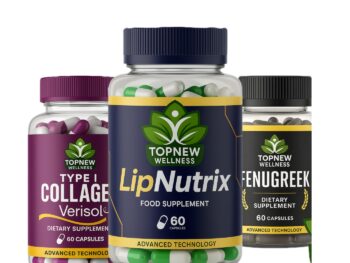
Wellness Supplement TrioLipNutrix, Fenugreek & CollagenFood supplements should not be used as a substitute for a varied, balanced diet and a healthy lifestyle.