Chlorella and spirulina are two of the best-known “green” supplements. They are often mentioned together, sold side by side and even mixed in the same powders, but they are not the same thing. Here’s a clear guide to what each one is, how they differ, and what to look for if you want to add them to your routine.
What is chlorella?
Chlorella (Chlorella vulgaris) is a tiny, single-celled green alga that grows in fresh water. It is naturally rich in chlorophyll, the green pigment plants use to capture sunlight, which gives it its deep green colour.
Chlorella has a tough outer cell wall that people can’t digest easily, so supplements usually use “broken cell wall” chlorella. It is sold as tablets, capsules and powder.
What is spirulina?
Spirulina (Arthrospira platensis) is often called a blue-green alga, but it is actually a type of cyanobacteria. It grows in warm, alkaline lakes and is farmed around the world. Spirulina contains a blue pigment called phycocyanin, which gives it a blue-green colour. It doesn’t have a tough cell wall, so it doesn’t need to be processed in the same way as chlorella.
Chlorella vs spirulina: the key differences
| Chlorella | Spirulina | |
|---|---|---|
| What it is | Single-celled green alga | Cyanobacteria (“blue-green algae”) |
| Where it grows | Fresh water | Warm, alkaline lakes and farms |
| Colour | Deep green (chlorophyll) | Blue-green (chlorophyll and phycocyanin) |
| Cell wall | Tough, so usually “broken cell wall” | Soft, easier to digest |
| Taste | Grassy, earthy | Stronger, slightly salty or “sea” taste |
| Common forms | Tablets, capsules, powder | Powder, tablets, capsules, added to foods |
What nutrients do they contain?
Both chlorella and spirulina naturally contain protein, chlorophyll, and a range of vitamins, minerals and plant pigments. Spirulina is especially high in protein by weight, which is why it’s popular in smoothies. However, supplement servings are small, often just a few hundred milligrams to a few grams, so they add only modest amounts of nutrients compared with your everyday food.
One thing to know if you’re vegan: spirulina contains a form of vitamin B12 that the body can’t use well, so it isn’t a reliable source of B12. The NHS recommends fortified foods or a B12 supplement instead.
Chlorella and spirulina don’t have authorised health claims in the UK, so be wary of any product that promises they will “detox” your body, burn fat or cure illness. Think of them as nutritious green ingredients that can be part of a varied diet.
Can you take chlorella and spirulina together?
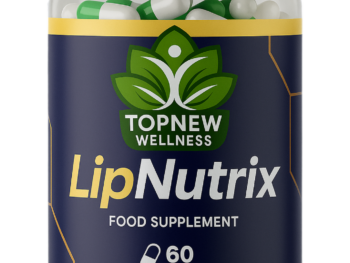
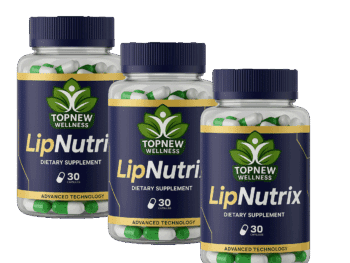
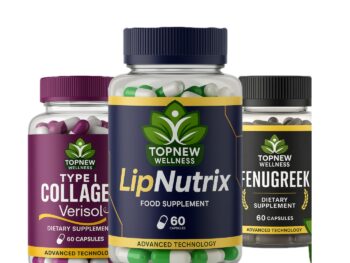
Yes, many people do, and lots of green blends contain both. Our stimulant-free daily supplement LipNutrix combines chlorella (270 mg) and spirulina (200 mg) per daily serving, alongside turmeric, chitosan and psyllium. It’s taken as 1 capsule in the morning and 1 at around 4pm, as part of a routine built on balanced meals and regular movement.
Who should be careful?
- If you take blood-thinning medicine such as warfarin: chlorella contains vitamin K, which can affect how these medicines work.
- If you have phenylketonuria (PKU): spirulina contains phenylalanine and should be avoided.
- If you have an autoimmune condition, take regular medication, or are pregnant or breastfeeding: speak to your GP or pharmacist first.
- If you’re allergic to iodine, seafood or algae: check labels carefully.
Some people notice mild digestive changes, such as wind or green stools, when they first start taking algae supplements. Starting with the recommended serving and drinking plenty of water helps.
How to choose a good chlorella or spirulina supplement
- Buy from a reputable seller. Algae can absorb contaminants from the water they grow in, so quality matters.
- Check the label for the amount per serving, the full ingredients and allergen information.
- For chlorella, look for “broken cell wall” on the label.
- Avoid big promises like “detox” or “fat burning”.
- Check how it fits your routine: capsules are tasteless and easy to take; powders suit smoothies.
Want to see exactly what’s in LipNutrix? Every amount is printed on the label. Read what’s in LipNutrix or shop LipNutrix 60 capsules with free tracked delivery to the UK, Ireland, Europe and the USA.
Frequently asked questions
What is the difference between chlorella and spirulina?
Chlorella is a single-celled green alga that grows in fresh water and has a tough cell wall. Spirulina is a type of cyanobacteria (blue-green algae) with a soft cell wall and a blue pigment called phycocyanin. Both are sold as green supplements.
Which is better, chlorella or spirulina?
Neither is better for everyone. They have slightly different nutrient profiles, tastes and textures. Many people take both, and lots of green supplements combine them.
Can I take chlorella and spirulina every day?
Most people can take them daily as part of a varied diet, following the label. If you take medication, especially blood thinners, have a medical condition, or are pregnant or breastfeeding, speak to your GP or pharmacist first.
Does spirulina help you lose weight?
No food or supplement causes weight loss on its own, and spirulina has no authorised weight-loss claim. Weight management comes from balanced meals, regular activity and good sleep. Spirulina can be a nutritious part of that routine.
Is spirulina a good source of vitamin B12 for vegans?
No. Spirulina contains a form of B12 that the body can’t use well. The NHS advises vegans to get B12 from fortified foods or a supplement.
Related reading
This article is for general information and is not medical advice. Food supplements should not be used as a substitute for a varied, balanced diet and a healthy lifestyle. If you take medication, have a medical condition, or are pregnant or breastfeeding, speak to your GP or pharmacist before taking any supplement.