Lunchboxes, lost shoes, book bags and a race against the school bell: if your mornings feel like a relay, your own wellbeing is often the first thing to drop off the list. Breakfast becomes a slice of your child’s toast, lunch is whatever is left in the fridge, and the only exercise you get is chasing a scooter down the road.
This guide is for mums on the go. It is full of quick food choices for before and after the school run, meals and snacks the whole family can share, and simple ways to move more with your children rather than finding extra time on your own. No perfection needed: just small habits that fit around real family life.
The simple formula: build every meal and snack from four parts
When time is short, you don’t need recipes. You need a formula you can use on autopilot. Try to include as many of these as you can each time you eat:
- Protein: eggs, Greek yoghurt, milk, cheese, beans, lentils, chicken, fish, tofu or nut butter. It helps you feel fuller for longer.
- Fibre-rich carbs: oats, wholemeal bread, wholegrain cereal, brown rice, wholewheat pasta or potatoes with skins.
- Fruit or veg: fresh, frozen and tinned (in water or juice) all count towards your 5 A Day.
- A drink: water, milk or sugar-free drinks. The NHS suggests 6 to 8 glasses of fluid a day for adults.
The same formula works for children. Their portions are smaller (a handy guide is that one portion of fruit or veg for a child is roughly what fits in the palm of their hand), but the building blocks are the same, so you only need to make one breakfast, not three.
Before the school run: breakfasts the whole family can eat
The best breakfast for a busy morning is one that is ready before anyone wakes up, or takes less than five minutes. All of these work for adults and children.
Make it the night before
- Overnight oats: mix oats with milk or yoghurt in jars, add grated apple or frozen berries and a sprinkle of cinnamon. Let the children choose their own toppings in the morning.
- Batch-baked oat and banana muffins: make a tray on Sunday, freeze half, and defrost a few each night. Great for eating on the walk to school.
- Breakfast boxes: a small pot of yoghurt, a handful of grapes and a wholegrain cracker or two, packed in reusable tubs.
Five-minute hot breakfasts
- Scrambled eggs on wholemeal toast with cherry tomatoes on the side.
- Peanut butter and banana on toast (check school nut policies before anything goes in a lunchbox).
- Porridge in the microwave topped with berries and a spoonful of seeds.
- Beans on toast: a quick source of protein and fibre. Choose reduced-sugar and salt beans where you can.
When you really have no time
Keep a “grab shelf” in the kitchen: bananas, apples, wholegrain cereal bars with less sugar, small cartons of milk and a refillable water bottle for everyone. A banana and a glass of milk on the way out of the door is far better than nothing, and miles better than a pastry from the petrol station later.
After drop-off: look after yourself for ten minutes
The moment the school gates close is often the first quiet moment of your day. Use it well:
- Drink a glass of water as soon as you get home or to work.
- Eat a proper breakfast if you skipped yours while getting everyone else ready. Leftover overnight oats or eggs on toast work well.
- Walk the long way back. An extra 10 minutes of brisk walking after drop-off, five days a week, adds 50 minutes towards the NHS target of 150 minutes of moderate activity a week.
- Plan tonight’s tea in one minute, so you are not making decisions when everyone is hungry at 5pm.
The after-school window: snacks that keep everyone going
Children often come out of school starving, and the 3.30pm to 5pm stretch is when both kids and mums tend to reach for biscuits and crisps. Pack an after-school snack bag in the morning so you are ready at the gate:
| Snack | Why it works |
|---|---|
| Apple slices with cheese cubes | Fruit plus protein, easy to eat on the move |
| Carrot, cucumber and pepper sticks with hummus | Counts towards 5 A Day, and dipping makes veg fun |
| Plain popcorn | A wholegrain, crunchy alternative to crisps |
| Yoghurt pot (plain or lower-sugar) | Protein and calcium for growing children |
| Half a wholemeal pitta with nut butter or cheese spread | Fibre and protein to bridge the gap to tea |
| A small handful of unsalted nuts and dried fruit | Filling for adults and older children (not suitable for under-5s, who can choke on whole nuts) |
If you take LipNutrix, the after-school window is a natural reminder for your second capsule at around 4pm, with a glass of water. Keep it in your bag rather than the kitchen cupboard so you don’t forget, and always store supplements well out of reach of children.
Quick family teas: one meal for everyone
Cooking separate meals for each child is exhausting. Pick family-friendly meals and let everyone build their own plate.
- Traybake chicken and veg: chop chicken thighs, peppers, red onion, courgette and sweet potato, drizzle with oil and paprika and roast for 35 minutes. One tray, minimal washing up.
- Build-your-own wraps: wholemeal wraps, grated cheese, beans or shredded chicken, lettuce, sweetcorn and salsa. Children love assembling their own.
- Hidden veg pasta sauce: blend tinned tomatoes with grated carrot, courgette and red pepper. Make a big batch and freeze it in portions.
- Egg fried rice: use leftover brown rice, frozen peas, sweetcorn and eggs. Ready in 10 minutes.
- Jacket potatoes: microwave for speed, then crisp in the oven. Top with beans, tuna and sweetcorn, or cottage cheese.
- Fish finger sandwiches with a twist: wholemeal bread, oven-baked fish fingers and a big handful of salad or peas on the side.
Get the children cooking
Children are more likely to try food they have helped make, and it turns cooking into time together rather than another chore.
| Age | Jobs they can help with |
|---|---|
| 2 to 4 | Washing fruit and veg, tearing lettuce, stirring cold mixtures, putting toppings on |
| 5 to 7 | Measuring oats, cracking eggs, spreading, making wraps, setting the table |
| 8 to 11 | Grating cheese, chopping soft foods with a child-safe knife, following a simple recipe |
| 12+ | Cooking a simple meal with supervision, packing their own lunchbox |
Exercise you can do with your children
The UK Chief Medical Officers recommend that adults do at least 150 minutes of moderate activity a week, plus strength activities on at least 2 days. Children aged 5 to 18 should aim for an average of at least 60 minutes of moderate to vigorous activity a day, and under-5s need even more, spread throughout the day. The great news for busy mums is that you can do a lot of this together.
1. Turn the school run into your workout
- Walk, scoot or cycle instead of driving, even if it is just part of the way. Park 10 minutes from school and walk the rest.
- Pick up the pace on the way home after drop-off. Brisk walking, where you can talk but not sing, counts as moderate activity.
- Play “spot it” games with younger children (red doors, dogs, birds) to keep little legs moving without complaints.
2. The 15-minute family circuit
Do this in the garden, the park or the living room. Do each move for 40 seconds, rest for 20 seconds, and repeat the circuit 3 times. Let the children be the timekeeper or the “coach”.
| Move | Mum’s version | Child’s version |
|---|---|---|
| Star jumps | Full star jumps, or step-out jacks for a lower-impact option | Star jumps |
| Squats | Squats, holding your child’s hands as a counterbalance | Frog jumps |
| Bear crawl | Bear crawl across the room | Bear crawl race against mum |
| Wall press-ups | Press-ups on a wall, sofa edge or the floor | Wall press-ups |
| Glute bridge | Glute bridge, with your child crawling under as a “tunnel” | Crawl through the tunnel |
| High knees | Marching or jogging on the spot | “Run” on the spot as fast as they can |
If you have recently had a baby, have pelvic floor concerns, or have a health condition, check with your GP or health visitor before starting new exercise, and build up gradually.
3. Active play that doesn’t feel like exercise
- Kitchen disco: put on a playlist while tea is cooking and dance for three songs.
- Park challenges: monkey bars, races to the tree and back, or a game of tag.
- Weekend family walks: a nature trail, a scavenger hunt or a walk to the local farm or café.
- Swimming: many leisure centres offer family sessions at weekends.
- Free family exercise videos: the NHS Fitness Studio and children’s activity channels are a good start on rainy days.
4. Strength for mums, play for kids
Carrying shopping, lifting toddlers and climbing stairs all count as strength activities. You can also use your child as a “weight” for gentle, playful moves: lifting a toddler overhead (if your back is comfortable), squats while giving a piggyback, or “aeroplanes” lying on your back with a small child resting on your shins.
An example day for a busy mum
| Time | Food | Movement |
|---|---|---|
| 7am | Overnight oats with berries for everyone. 1st LipNutrix capsule with water, if you take it. | Stretch for 2 minutes while the kettle boils |
| 8.30am | Water bottle in your bag | Walk or scoot to school, brisk walk back the long way (20 minutes) |
| 10.30am | Yoghurt with fruit, or eggs on toast if you skipped breakfast | Take the stairs, stand for phone calls |
| 1pm | Leftover traybake or a wholemeal wrap with salad and protein | 10-minute walk after lunch |
| 3.30pm | After-school snack bag: apple and cheese, veg sticks and hummus | Park stop on the way home (15 minutes of play) |
| 4pm | 2nd LipNutrix capsule with water, if you take it | |
| 5.30pm | Family tea: build-your-own wraps | Kitchen disco while tea cooks |
| Evening | Water or a warm caffeine-free drink | 15-minute family circuit 2 or 3 times a week. Aim for 7 to 9 hours of sleep. |
Your Sunday prep checklist
Thirty minutes on a Sunday can save you hours during the week:
- Make 3 or 4 jars of overnight oats
- Bake a tray of oat and banana muffins and freeze half
- Chop veg sticks and store them in water in the fridge
- Cook a big batch of hidden-veg pasta sauce or soup and freeze in portions
- Write a simple tea plan for the week and a shopping list
- Fill the “grab shelf” with fruit, wholegrain crackers and water bottles
- Put trainers by the door and plan two family circuit sessions
Where supplements fit in
Food comes first, and no supplement replaces a balanced diet, regular movement and good sleep. Some mums like to add a food supplement to their routine as a daily habit alongside these basics.
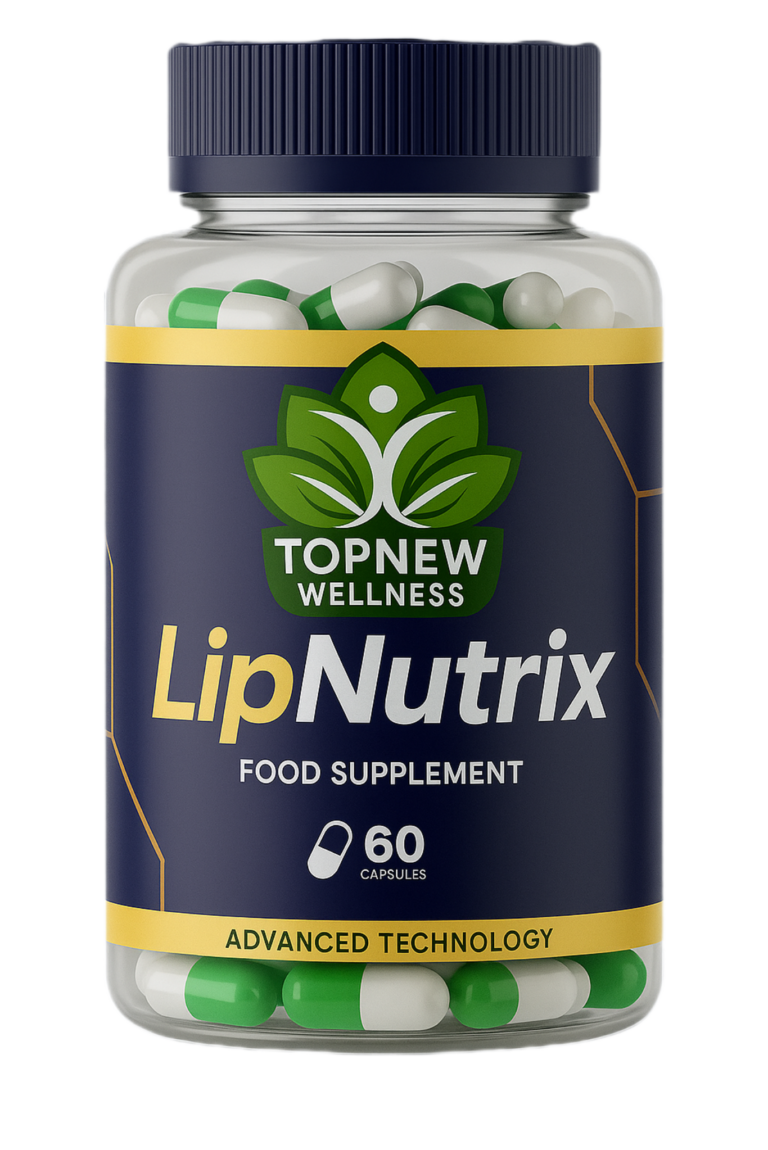
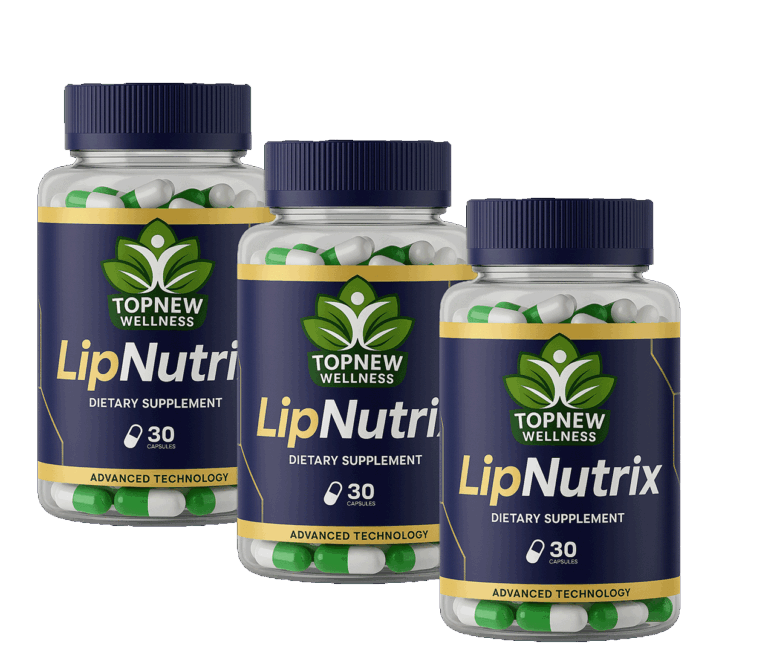
LipNutrix is a stimulant-free daily food supplement with chlorella, spirulina, turmeric, chitosan and psyllium. You take 1 capsule in the morning and 1 at around 4pm, which fits neatly around the school run. Our Magnesium Complex is another option: magnesium contributes to the reduction of tiredness and fatigue and to normal muscle function.
Supplements are for adults only. LipNutrix is not suitable for under-18s, during pregnancy or breastfeeding, or for anyone with a shellfish allergy, as chitosan comes from crustaceans. Always keep supplements out of sight and reach of children. If you take medication or have a medical condition, speak to your GP or pharmacist first. You can compare our products on the compare page.



 Wellness Supplement TrioLipNutrix, Fenugreek & Collagen Original price was: £99.00.£79.20Current price is: £79.20.
Already a TopNew member? Keep your routine going with our LipNutrix 6-month subscription at £63 a month, or the 6-month supply with Klarna, so one less thing ends up on your to-do list.
Frequently asked questions
What is a quick healthy breakfast before the school run?
Overnight oats made the night before, scrambled eggs on wholemeal toast, porridge with berries or yoghurt with fruit are all quick, balanced options that the whole family can eat. If you are really short of time, a banana and a glass of milk is a good grab-and-go choice.
What are healthy after-school snacks for children and mums?
Good options include apple slices with cheese, vegetable sticks with hummus, plain popcorn, a lower-sugar yoghurt or half a wholemeal pitta with nut butter. Packing a snack bag in the morning means you are ready at the school gate.
How much exercise do mums and children need?
UK guidelines recommend at least 150 minutes of moderate activity a week for adults, plus strength activities on 2 days. Children aged 5 to 18 should aim for an average of at least 60 minutes of activity a day. Walking to school, active play and a short family circuit can help you all get there together.
What exercises can I do with my children?
Try star jumps, squats, bear crawls, wall press-ups, glute bridges and high knees as a 15-minute family circuit. Walking or scooting to school, dancing in the kitchen, park games and family swimming sessions are also great ways to move together.
Can I take LipNutrix around the school run?
Yes. LipNutrix is taken as 1 capsule in the morning and 1 at around 4pm, each with a glass of water, which fits around breakfast and the after-school pick-up. Do not take more than 2 capsules a day. It is for adults only and is not suitable during pregnancy or breastfeeding. Keep supplements out of reach of children.
This article is for general information and is not medical advice. Food supplements should not be used as a substitute for a varied, balanced diet and a healthy lifestyle. Do not exceed the recommended daily dose. If you take medication, have a medical condition, or are pregnant or breastfeeding, speak to your GP or pharmacist before taking any supplement. LipNutrix contains chitosan, which is derived from crustaceans, so it is not suitable for people with a shellfish allergy. Keep all supplements out of reach of children.