
You will hear both terms everywhere, but they are not quite the same thing. Understanding the difference between weight loss and weight management can change how you approach your health, and make it far more likely that the changes you make actually last.
Weight loss: a short-term goal
Weight loss is about reducing your body weight, usually over a set period. It has a start and an end point, and it often comes with strict rules: cutting out food groups, counting every calorie, or following a plan that is hard to keep up alongside family life.
There is nothing wrong with wanting to lose weight. The problem is what happens when the plan ends. If the only goal was a number on the scales, it is easy to slip back into old habits once you get there, or to give up altogether if progress stalls.
Weight management: a long-term habit
Weight management is about reaching a healthy weight and staying there. It includes losing weight if you need to, but also maintaining it, through habits you can keep for life.
Instead of asking “How fast can I lose this?”, weight management asks “What can I keep doing, week after week, even when life gets busy?” That shift sounds small, but it changes everything about the choices you make.
Why the difference matters
- Diets end, habits do not. Many people regain weight after a strict diet because the habits behind it were never sustainable.
- Less all-or-nothing thinking. One takeaway, birthday cake or busy week does not ‘ruin’ weight management. You simply carry on with your next meal.
- More than the scales. Energy, sleep, strength and mood all count, and they often improve before the scales move.
- It fits real life. Weight management works around school runs, work shifts and family meals, rather than asking you to cook separate food or live at the gym.
5 weight management habits that last
- Regular meals with protein and vegetables. Aim for a palm-sized portion of protein (eggs, beans, chicken, fish or yoghurt) and half a plate of vegetables at most meals. It keeps you fuller for longer and makes snacking less tempting.
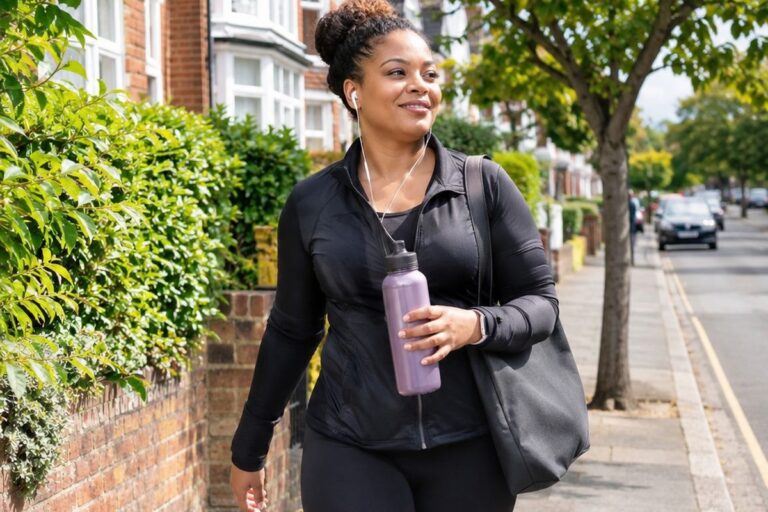
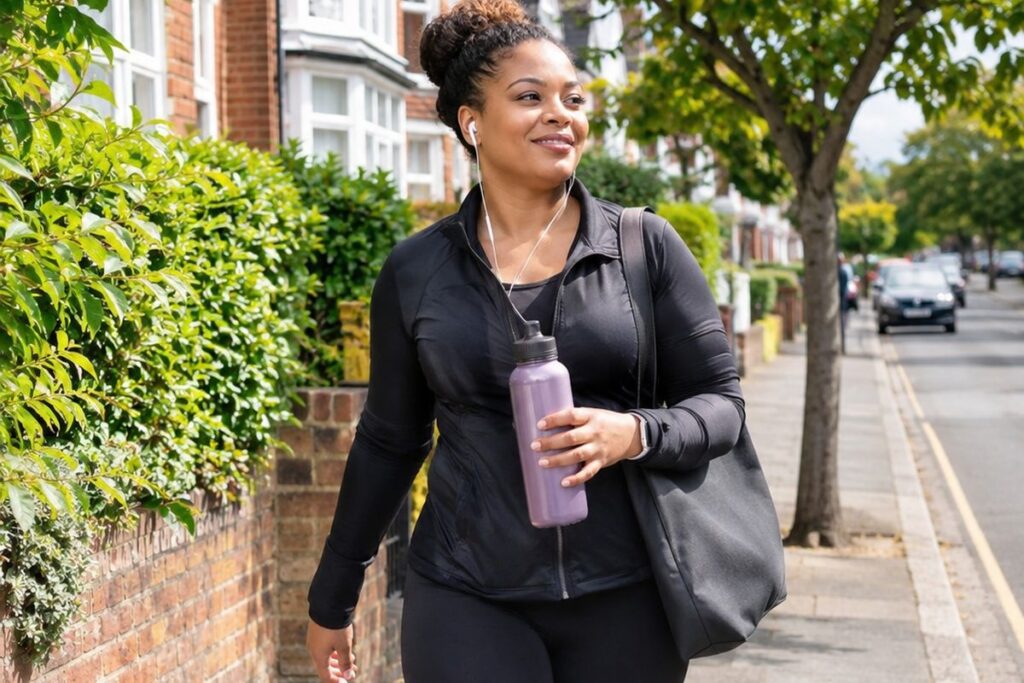
- Daily movement you enjoy. The NHS recommends 150 minutes of moderate activity a week. That can be a brisk 20-minute walk each day, a dance in the kitchen or a short home workout. The best exercise is the one you will actually do.
- 7–9 hours of sleep. Tiredness makes it harder to choose well and easier to reach for sugary snacks. A short evening wind-down routine can help; see our evening wind-down guide.
- Weekly check-ins. Choose one simple measure, such as your weight, your waist or how your clothes fit, and check it once a week at the same time. Daily weighing can be discouraging because weight naturally goes up and down.
- A plan for holidays and busy weeks. Christmas, birthdays and school holidays will happen. Decide in advance what “good enough” looks like: perhaps keeping up your walks and having one balanced meal a day, rather than trying to be perfect.
Signs you are in a weight management mindset
- You can enjoy a meal out without feeling you have “failed”.
- You think in weeks and months, not days.
- You notice better energy, sleep or mood, not just a lower number.
- Your routine would still work if you had a busy week.
Where do supplements fit in?
Supplements are not a shortcut and should never replace a varied, balanced diet. Some people like to include one as part of a wider routine of good food, regular movement and enough sleep, because it gives them a daily reminder of the commitment they have made to themselves.
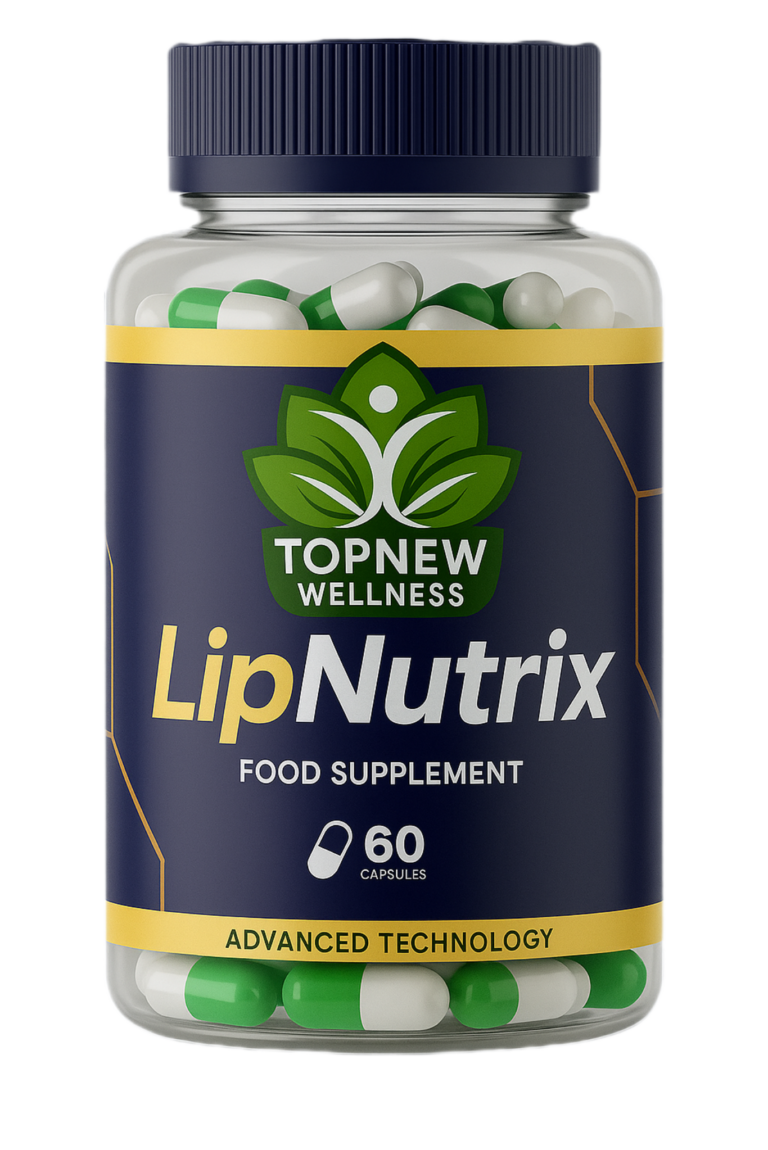
If you use LipNutrix as part of your routine, take 1 capsule in the morning and 1 at around 4pm, not together, alongside balanced meals and plenty of water.
Frequently asked questions
Is weight management only for people who have already lost weight?
No. Weight management covers every stage: losing weight if you need to, maintaining a healthy weight, and simply building habits that help you feel your best.
How quickly should I expect to see results?
Slow and steady is more likely to last. The NHS suggests a safe rate of weight loss is around 0.5 to 1kg a week. Focus on keeping your habits going rather than on fast results.
Do I need to give up the foods I love?
No. Weight management is about balance and portion size, not banning foods. Enjoy treats as part of your week rather than as something to feel guilty about.
Where to start
Our Non-Medical Weight Management guide covers food, movement, sleep, habits and supplements in one place. If you are a busy mum, you may also like Healthy Weight Management for Busy Mums.
Food supplements should not be used as a substitute for a varied, balanced diet and a healthy lifestyle. If you have a medical condition, take medication or are pregnant or breastfeeding, speak to your GP or pharmacist before use.