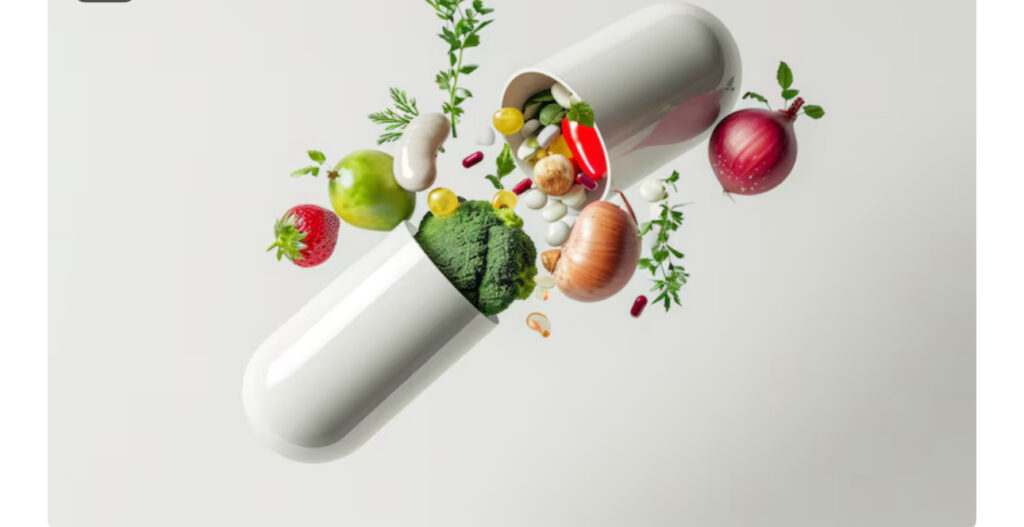
Psyllium husk has become one of the most searched-for fibre supplements, popping up in gluten-free baking, smoothies and supplement labels. But what exactly is it, and how does it fit into a healthy diet? This guide explains what psyllium husk is, how fibre works, and how to use it safely.
What is psyllium husk?
Psyllium husk comes from the outer coating of the seeds of Plantago ovata, a plant grown mainly in India. It is almost pure fibre, and most of that fibre is soluble fibre. When you mix psyllium with water, it soaks it up and forms a thick gel. That’s why it’s used to bind gluten-free bread and why it’s so important to take it with plenty of fluid.
Why fibre matters
Fibre is the part of plant foods that your body can’t fully digest. It plays an important role in a healthy diet:
- It adds bulk to meals, which can help you feel fuller.
- It supports regular bowel habits.
- Fibre-rich foods such as wholegrains, fruit and vegetables are linked with better long-term health.
There are two main types. Soluble fibre (found in oats, beans, apples and psyllium) dissolves in water to form a gel. Insoluble fibre (found in wholemeal bread, bran, nuts and vegetable skins) doesn’t dissolve and adds bulk.
How much fibre do you need?
The NHS recommends adults eat 30 g of fibre a day, but most people in the UK only manage around 20 g. In Ireland, the advice is around 25 g a day for adults. Here’s what 30 g can look like:
| Meal | Example | Approx. fibre |
|---|---|---|
| Breakfast | Porridge made with 40 g oats, topped with a handful of berries | 6 g |
| Lunch | Wholemeal sandwich with salad, plus an apple | 9 g |
| Snack | A small handful of almonds and a pear | 6 g |
| Dinner | Lentil and vegetable curry with brown rice | 10 g |
| Total | about 31 g |
Food first: the best sources of fibre
- Oats, wholemeal bread, brown rice and wholewheat pasta
- Beans, lentils and chickpeas
- Potatoes with their skins on
- Fruit and vegetables, especially with the skin
- Nuts and seeds, including chia and flaxseed
Getting fibre from a variety of foods is always the best place to start. Fibre supplements like psyllium husk powder can top up your intake, but they don’t replace the vitamins, minerals and other nutrients you get from whole foods.
How to take psyllium husk safely
- Always take it with plenty of water. Mix powder into a full glass of water and drink straight away, then have another drink. Taking psyllium without enough fluid can cause it to swell and block the throat or gut.
- Start low and build up slowly. Adding fibre too quickly can cause wind and bloating. Increase over a week or two.
- Take medicines separately. Fibre supplements can affect how some medicines are absorbed. Take them at least 2 hours apart, and ask your pharmacist.
- Speak to your GP first if you have difficulty swallowing, a bowel condition, diabetes, or take regular medication.
Psyllium in LipNutrix
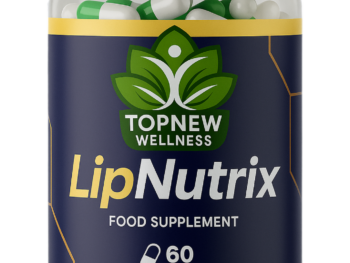
You may have spotted psyllium (Plantago ovata) on the LipNutrix label. LipNutrix contains a very small amount, 250 mcg per daily serving, alongside chlorella, spirulina, turmeric and chitosan. It is not designed to be a fibre supplement, so you should still get your fibre from food. LipNutrix is a stimulant-free daily habit, taken as 1 capsule in the morning and 1 at around 4pm with a glass of water, as part of a balanced routine.
Easy ways to eat more fibre today
- Swap white bread for wholemeal or granary
- Start the day with porridge or high-fibre cereal
- Add beans or lentils to soups, stews and salads
- Keep the skins on potatoes
- Snack on fruit, nuts or vegetable sticks
- Drink plenty of water as you increase fibre
For more ideas, read our guide to food swaps that keep you fuller for longer.
Frequently asked questions
What is psyllium husk?
Psyllium husk is the outer coating of the seeds of the Plantago ovata plant. It is almost pure fibre, mostly soluble fibre, which forms a gel when mixed with water.
Is psyllium husk good for weight loss?
Fibre-rich meals can help you feel fuller, which may make it easier to manage portions, but psyllium husk does not cause weight loss on its own. The best approach is a balanced diet with plenty of fibre from food, plus regular activity.
How much fibre should I eat a day?
The NHS recommends 30 g of fibre a day for adults. In Ireland, around 25 g a day is advised. Most people eat less than this.
Can I take psyllium husk every day?
Many people do. Always take it with plenty of water, start with a small amount, and take it at least 2 hours apart from medicines. Speak to your GP first if you have a bowel condition or difficulty swallowing.
Does LipNutrix contain psyllium?
Yes. LipNutrix contains 250 mcg of psyllium per daily serving, which is a very small amount. It isn’t a fibre supplement, so you should still get your fibre from food.
Related reading
This article is for general information and is not medical advice. Food supplements should not be used as a substitute for a varied, balanced diet and a healthy lifestyle. If you take medication, have a medical condition, or are pregnant or breastfeeding, speak to your GP or pharmacist before taking any supplement.