If you’ve noticed the scales creeping up or your waistband feeling tighter in your 40s or 50s, even though you haven’t changed what you eat, you’re not alone. Weight gain around menopause is very common. The good news is that understanding why it happens makes it much easier to manage. Here’s what’s going on and the practical steps that help.
When does menopause happen?
Menopause is when your periods stop because of lower hormone levels. It usually happens between 45 and 55, and in the UK the average age is 51. The years leading up to it, called perimenopause, can last several years and often bring the first changes in weight and shape.
Why do women gain weight during menopause?
- Falling oestrogen: as oestrogen drops, the body tends to store more fat around the tummy rather than the hips and thighs.
- Muscle loss: we naturally lose muscle as we age, and muscle uses more energy than fat, even at rest.
- Poor sleep: night sweats and hot flushes can disturb sleep, which increases hunger and cravings.
- Less activity: busy lives, joint aches and tiredness can mean we move less without noticing.
- Stress and mood changes: these can lead to comfort eating.
It’s not just about willpower. Your body is changing, so your routine needs to change with it.
7 practical ways to manage menopause weight gain
1. Make strength training a priority
Strength exercises help you keep and build muscle, which supports your metabolism and keeps your bones strong. Aim for at least 2 sessions a week. Squats, lunges, wall push-ups, glute bridges and resistance bands at home all count. Start light and build up.
2. Eat more protein
Include a source of protein at every meal, such as eggs, fish, chicken, Greek yoghurt, beans, lentils or tofu. Protein helps you feel full and supports your muscles.
3. Fill up on fibre
Vegetables, fruit, oats, wholegrains, beans and pulses help keep you fuller for longer. Aim for 30 g of fibre a day and fill half your plate with vegetables.
4. Watch portions and alcohol
As muscle mass falls, many women need slightly fewer calories than before. Smaller portions, fewer sugary snacks and cutting back on alcohol, which is high in calories and can worsen hot flushes and sleep, can make a real difference.
5. Keep moving every day
Aim for at least 150 minutes of moderate activity a week, like brisk walking, cycling or swimming. A daily walk is one of the easiest habits to keep.
6. Protect your sleep
Keep your bedroom cool, wear light layers, have a regular bedtime and limit caffeine and alcohol in the evening. If symptoms are disturbing your sleep, talk to your GP.
7. Look after your bones
Bone density falls after menopause. Include calcium-rich foods like dairy or fortified alternatives, and remember the NHS advises everyone to consider a vitamin D supplement of 10 micrograms a day in autumn and winter.
Should I speak to my GP?
Yes, if menopause symptoms are affecting your daily life, or if you’re worried about your weight. Your GP can talk to you about treatments such as hormone replacement therapy (HRT), check for other causes of weight gain such as an underactive thyroid, and refer you to local weight-management support.
Can supplements help during menopause?
Supplements can’t stop menopause weight gain, but some women find they fit well into a healthier routine:
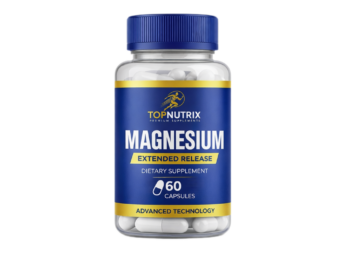
- Magnesium contributes to the reduction of tiredness and fatigue and to normal psychological function.
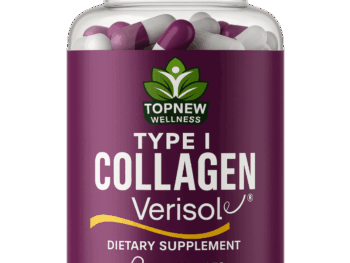
- VERISOL® Collagen is a popular part of many women’s beauty-from-within routines.
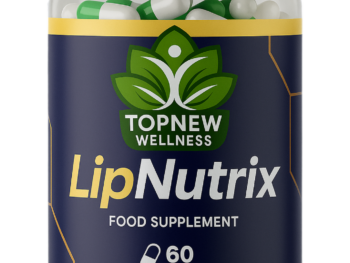
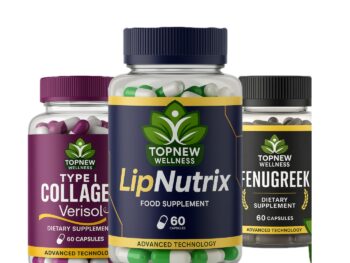
- LipNutrix is our stimulant-free daily supplement for your weight management routine, taken as 1 capsule in the morning and 1 at around 4pm, alongside balanced meals and regular movement.
If you take HRT or any other medication, check with your GP or pharmacist before starting a new supplement.
Be kind to yourself
Menopause is a big change. Focus on habits that make you feel stronger and more energetic, not just the number on the scales. Small, steady changes add up. For a simple day-by-day plan, try our free 30-day wellness guide for women, or read about women’s metabolism through life stages.
Frequently asked questions
Why am I gaining weight during menopause?
Falling oestrogen levels change where your body stores fat, often moving it to the tummy. Muscle loss with age, poorer sleep, stress and moving less also play a part.
How can I lose belly fat during menopause?
You can’t target fat in one area, but strength training twice a week, more protein and fibre, smaller portions, less alcohol, daily activity and better sleep all help reduce overall body fat, including around the middle.
Does HRT cause weight gain?
HRT isn’t generally thought to cause weight gain, and weight changes around menopause are common whether or not you take it. Speak to your GP about whether HRT is right for you.
What is the best exercise for menopause weight gain?
A combination works best: strength training at least twice a week to protect muscle and bones, plus 150 minutes a week of moderate activity such as brisk walking.
Which supplements are good during menopause?
No supplement prevents menopause weight gain. Many women include magnesium, which contributes to the reduction of tiredness and fatigue, and vitamin D, which the NHS recommends in autumn and winter. Speak to your GP or pharmacist if you take HRT or other medication.
Related reading
This article is for general information and is not medical advice. Food supplements should not be used as a substitute for a varied, balanced diet and a healthy lifestyle. If you take medication, have a medical condition, or are pregnant or breastfeeding, speak to your GP or pharmacist before taking any supplement.