Supplements are more popular than ever in the UK, which makes it worth asking a simple question: what can they actually do?
What supplements are for
By law, food supplements are concentrated sources of nutrients or other substances meant to supplement a normal diet. They’re foods, not medicines, so they can’t claim to treat or prevent illness.
When they make sense
- Filling a known gap, like vitamin D in autumn and winter, which the NHS suggests for most adults in the UK.
- Helping you stick to a routine you’ve chosen, as one small daily habit.
- Including an ingredient you enjoy but don’t eat often, like algae or fenugreek.
What they can’t do
- Replace a varied, balanced diet
- Undo the effects of very little sleep or no activity
- Cause weight loss on their own
How claims are checked
In Great Britain, a supplement can only use health claims from the official register, and only if it contains enough of the nutrient. For example, magnesium may claim to contribute to the reduction of tiredness and fatigue, and chromium to the maintenance of normal blood glucose levels, when present at the right levels.
Choosing sensibly
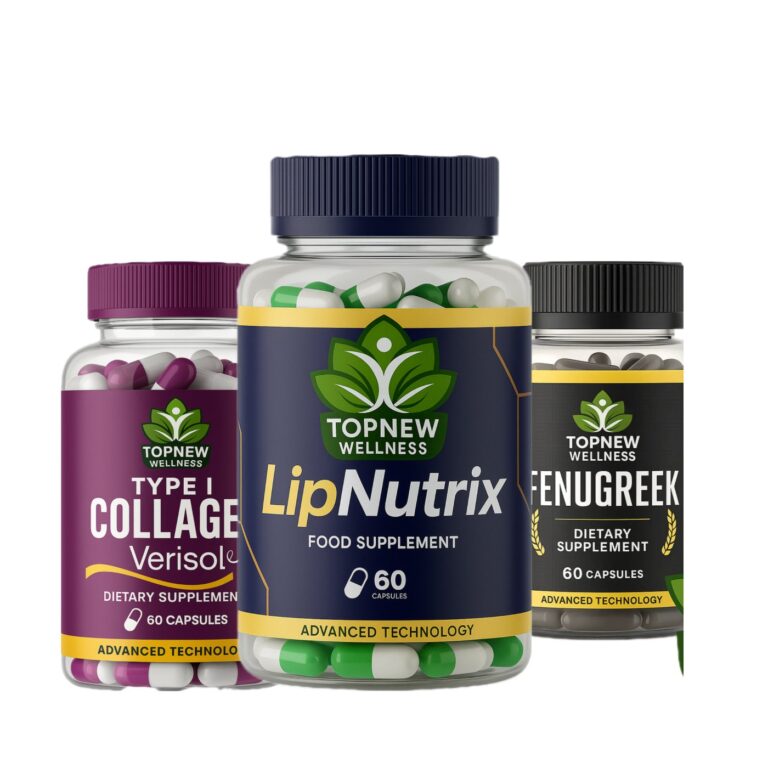
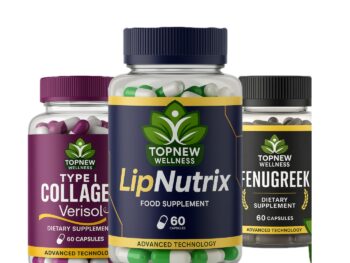
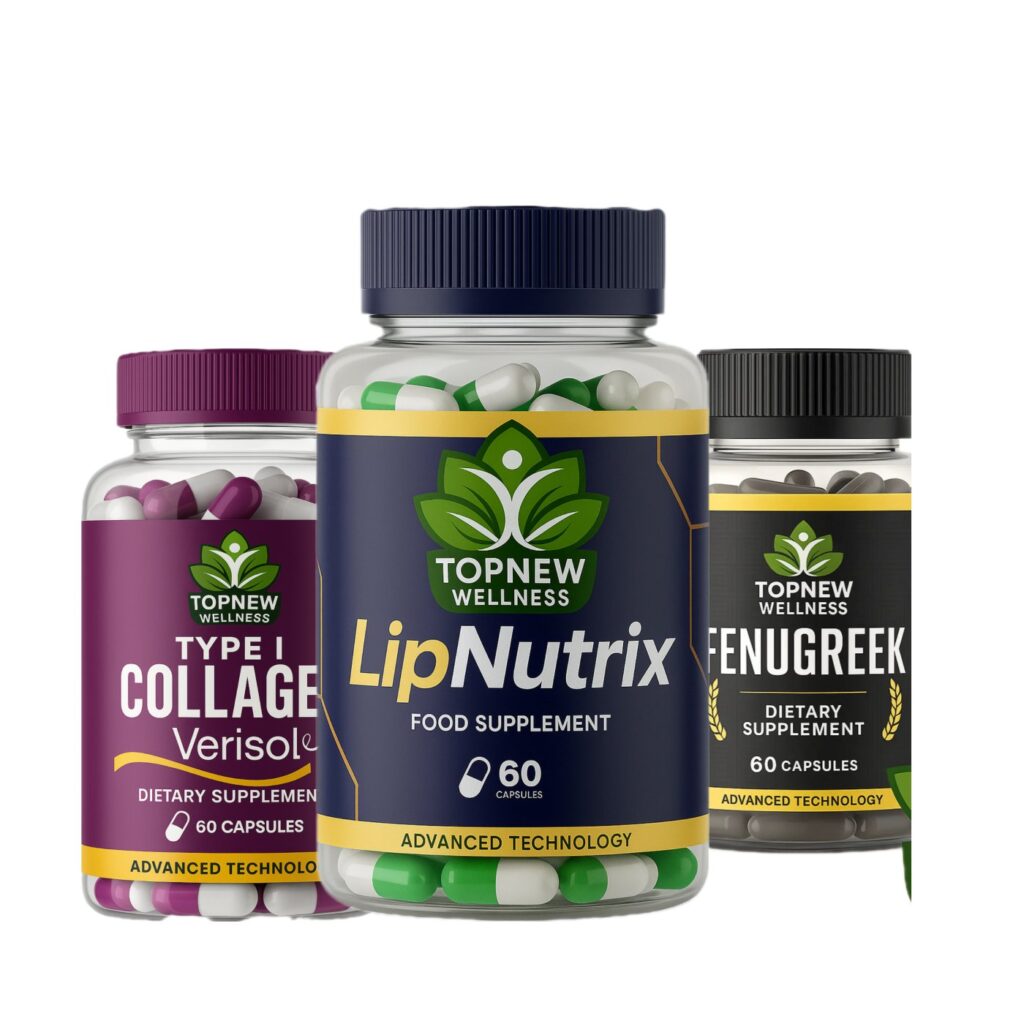
Look for full ingredient lists with amounts, clear directions and honest wording. Our range, including LipNutrix, Magnesium Complex and VERISOL® Collagen, lists every ingredient on the label.
LipNutrix and our other products are food supplements, not medicines. Food supplements should not be used as a substitute for a varied, balanced diet and a healthy lifestyle. If you take medication, have a medical condition, or are pregnant or breastfeeding, speak to your GP or pharmacist before taking any supplement.