Search for weight management supplements and you’ll find big promises: “melt fat”, “lose a stone in a month”, “block carbs”. In the UK, most of those claims aren’t allowed. Knowing the rules helps you spot products you can trust.
The rules in brief
- Health claims must be authorised. In Great Britain, foods and supplements can only make health claims that are on the official register, and only when the product contains enough of the relevant nutrient.
- Very few weight claims exist. One example is glucomannan, which may claim to contribute to weight loss in the context of an energy-restricted diet, but only at 3 g a day.
- Advertising has its own rules. The UK advertising code (the CAP Code) has a whole section on weight control, including limits on how much weight loss an ad can suggest.
- Supplements aren’t medicines. They can’t claim to treat, cure or prevent any disease.
Red flags
- Specific amounts of weight lost, like “-10 kg in 4 weeks”
- Before-and-after photos used as proof
- “Fat burner”, “detox” or “appetite suppressant” language
- No full ingredient list or no amounts
- Reviews that all sound the same
What honest looks like
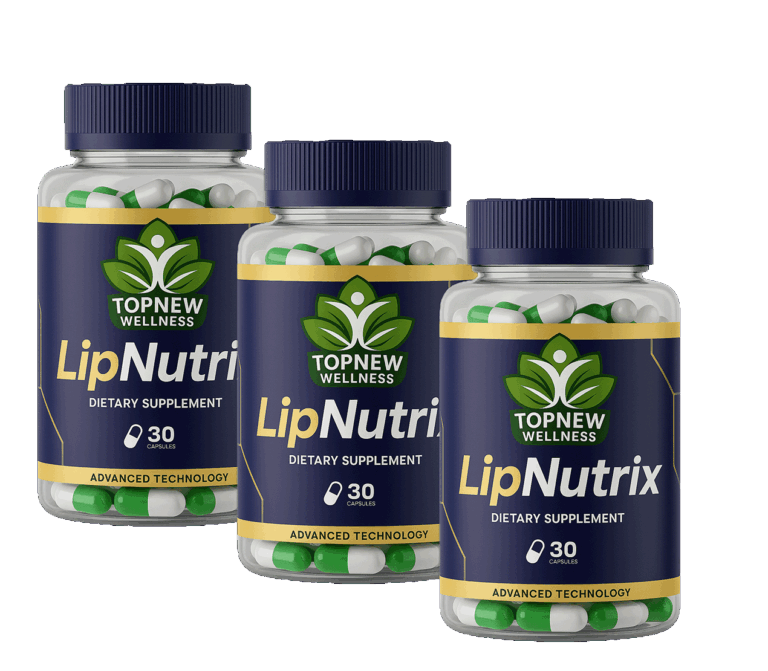
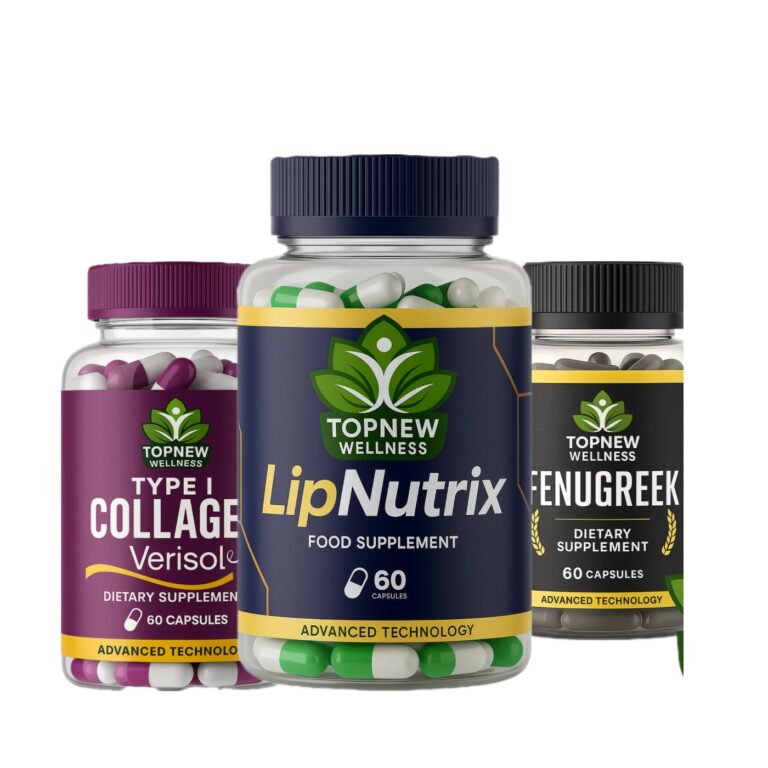
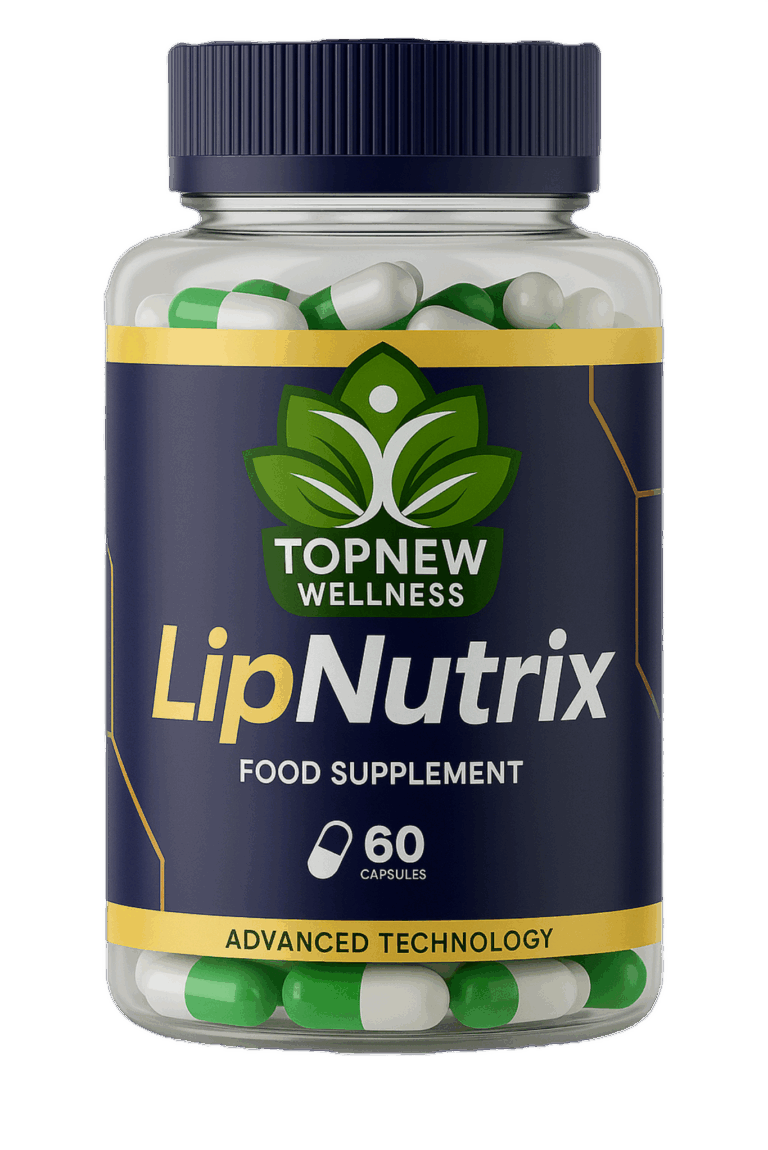
A trustworthy product lists every ingredient and amount, gives clear directions and warnings, and tells you it works alongside diet and exercise rather than instead of them. That’s how we describe LipNutrix.
Related reading
LipNutrix and our other products are food supplements, not medicines. Food supplements should not be used as a substitute for a varied, balanced diet and a healthy lifestyle. If you take medication, have a medical condition, or are pregnant or breastfeeding, speak to your GP or pharmacist before taking any supplement.