When people decide to change their body, whether that’s losing weight, getting stronger or simply feeling healthier, the first thing many do is sign up for a gym or download a workout plan. Exercise is brilliant for your health. But when it comes to changing your body shape and weight, what you eat usually makes the biggest difference. In this guide, we explain why nutrition matters so much, and how to build simple eating habits that support your goals.
You can’t out-train your plate
It’s much easier to eat calories than to burn them. A 30-minute brisk walk might use around 150 calories, while a large latte and a pastry can easily add up to 500 or more. That doesn’t mean exercise isn’t worth it. It’s essential for your heart, muscles, bones, mood and sleep. It just means that for weight and body composition, food and movement work best as a team, and food usually leads.
Energy balance: the basics
Your weight is influenced by the balance between the energy you take in from food and drink, and the energy your body uses for everything from breathing to walking. To lose weight, you need a small, steady calorie deficit. The NHS suggests aiming to lose 0.5 kg to 1 kg (1 to 2 lb) a week, which for many people means eating around 500 to 600 fewer calories a day than they need to maintain their weight.
But what you eat matters as much as how much. The quality of your food affects how full you feel, how much energy you have, how well you recover from exercise and how easy it is to stick with your plan.
The 5 nutrition foundations
1. Protein at every meal
Protein helps you feel full and is needed to build and repair muscle, which is especially important if you’re exercising or losing weight. Good sources include eggs, fish, chicken, lean meat, Greek yoghurt, cottage cheese, beans, lentils and tofu. Aim to include one at breakfast, lunch and dinner.
2. Plenty of fibre
Fibre adds bulk to meals and helps keep you fuller for longer. The NHS recommends 30 g a day, but most adults eat far less. Load up on vegetables, fruit, oats, wholegrains, beans and pulses. Read our guide to fibre and psyllium husk for a simple 30 g meal plan.
3. Smarter carbohydrates
Carbs aren’t the enemy. Starchy foods like potatoes, rice, pasta and bread give you energy, especially if you’re active. Choose wholegrain or higher-fibre versions, keep portions sensible (about a quarter of your plate), and cut back on sugary foods and drinks.
4. Healthy fats, in moderation
Unsaturated fats from olive and rapeseed oil, nuts, seeds, avocado and oily fish are part of a healthy diet. Fat is high in calories, though, so use oils sparingly and keep an eye on portions of nuts and cheese.
5. Water first
Aim for 6 to 8 glasses of fluid a day. Water is the best choice. Sugary drinks, juices and alcohol add calories without filling you up.
Build a balanced plate
| Part of your plate | What to include | Examples |
|---|---|---|
| Half | Vegetables and salad | Broccoli, peppers, carrots, spinach, mixed salad, frozen veg |
| A quarter | Protein | Chicken, fish, eggs, beans, lentils, tofu |
| A quarter | Wholegrain or starchy carbs | Brown rice, wholewheat pasta, potatoes with skins, wholemeal bread |
| A little | Healthy fats | A drizzle of olive oil, a few nuts or seeds, avocado |
Nutrition and exercise work together
- Fuel your activity: a balanced meal or snack a couple of hours before exercise helps you perform better.
- Recover well: protein after strength training helps your muscles repair and grow.
- Protect your muscle: when you’re in a calorie deficit, enough protein plus strength training helps you lose fat rather than muscle.
- Keep your energy steady: regular, balanced meals help avoid energy dips that lead to snacking.
Don’t forget vitamins and minerals
A colourful, varied diet gives your body the vitamins and minerals it needs. Some are particularly worth thinking about:
- Vitamin D: the NHS advises everyone to consider a 10 microgram supplement in autumn and winter.
- Iron: found in red meat, beans, lentils and fortified cereals. Women with heavy periods may need more.
- Magnesium: found in nuts, seeds, wholegrains and leafy greens. It contributes to normal muscle function and the reduction of tiredness and fatigue. Read our guide to types of magnesium.
- Calcium: from dairy or fortified alternatives, for healthy bones.
Simple habits that make healthy eating easier
- Plan ahead. Decide on your meals for the week and write a shopping list.
- Batch cook. Make extra portions of soups, stews and chilli for busy days.
- Read labels. Use the traffic light colours on packaging to choose options lower in fat, sugar and salt.
- Slow down. Eat without screens and stop when you feel comfortably full.
- Don’t ban foods. Strict rules often lead to overeating later. Enjoy treats occasionally and in smaller portions.
- Be consistent, not perfect. What you eat most days matters far more than one meal. Read why consistency is key.
Where do supplements fit?
Food supplements should never replace a varied, balanced diet. They’re called supplements because they’re meant to supplement good nutrition, not stand in for it. Get the foundations right first: protein, fibre, vegetables, water, regular meals and sleep.
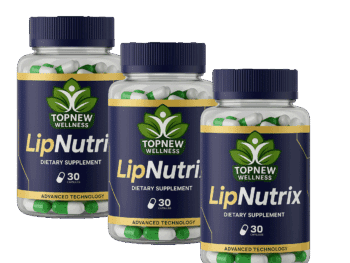
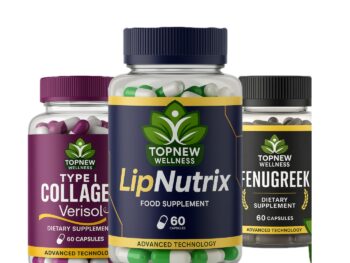
Once those habits are in place, some people like to add a simple daily supplement to their routine. LipNutrix is our stimulant-free daily food supplement with chlorella, spirulina, turmeric, chitosan and psyllium, taken as 1 capsule in the morning and 1 at around 4pm with a glass of water. Many customers find that taking it with breakfast and as an afternoon reset helps them stay focused on their healthy eating plan through the day. It works alongside your nutrition, never instead of it.
Your nutrition checklist
- Protein at breakfast, lunch and dinner
- Half a plate of vegetables at lunch and dinner
- Wholegrain carbs in sensible portions
- 30 g of fibre a day
- 6 to 8 glasses of water
- Fewer sugary drinks, snacks and takeaways
- Meals planned for the week ahead
Related reading
Frequently asked questions
Is nutrition more important than exercise for weight loss?
For weight loss, what you eat usually has the bigger effect, because it’s much easier to eat calories than to burn them through exercise. But exercise is essential for your heart, muscles, bones, mood and keeping weight off. The best results come from combining both.
What should I eat to lose weight?
Build meals around vegetables, a source of protein and wholegrain carbohydrates, with small amounts of healthy fats. Drink water, cut back on sugary foods and drinks, and keep portions sensible. Aim for a small, steady calorie deficit rather than a strict diet.
How much protein do I need?
Most adults need around 0.75 g of protein per kg of body weight a day. Including a source of protein at every meal, such as eggs, fish, chicken, yoghurt, beans or lentils, is an easy way to meet your needs, especially if you’re active.
Do I need to cut out carbs to lose weight?
No. Carbohydrates are an important source of energy. Choose wholegrain and higher-fibre options, keep portions to about a quarter of your plate, and limit sugary foods and drinks.
Can a supplement replace a healthy diet?
No. Food supplements are designed to supplement a varied, balanced diet, not replace it. A supplement like LipNutrix can be a simple daily habit alongside healthy eating, but good nutrition always comes first.
This article is for general information and is not medical advice. Food supplements should not be used as a substitute for a varied, balanced diet and a healthy lifestyle. If you take medication, have a medical condition, or are pregnant or breastfeeding, speak to your GP or pharmacist before taking any supplement. LipNutrix contains crustacean derivatives (chitosan).